
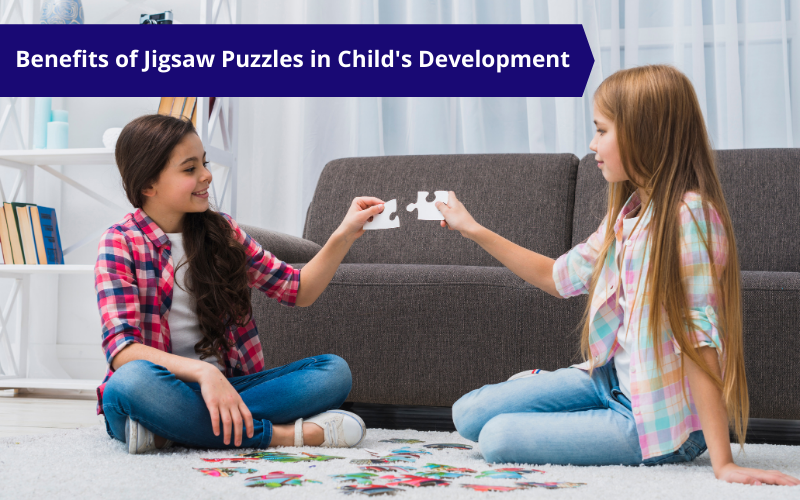
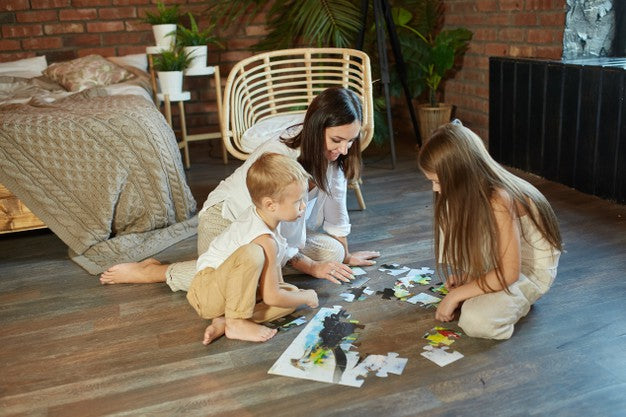
Many of you have long known that the puzzle has brought many benefits to the first development of a child, from starting with the puzzles of simple forms which are arranged to be made into corresponding cut planks to more complex houses of physical objects that require more strength and attention.
The riddles are a great way to help children play while doing educational tools. The questions challenge the minds of children and maneuver their minds. Please look below some life benefits of providing early puzzles to children during their development.
1. Focus
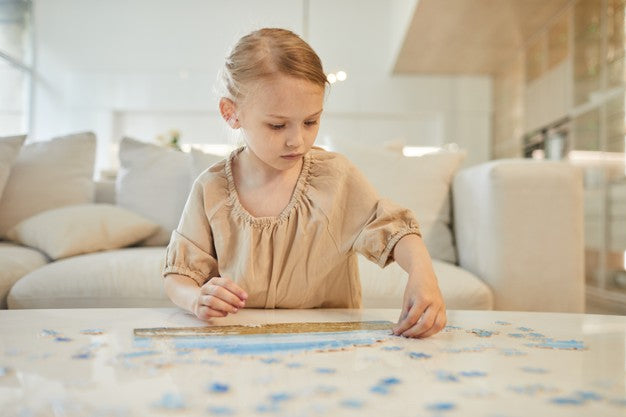
We cannot emphasize that puzzles are a great tool for building focused skills in children. Experts say that you can expect your female to concentrate for two to five minutes compared to their age. That means that a three-year-old can focus on a mission of six to fifteen minutes while a 4 to 20-minute child. Notice means possessing the ability to focus on something for a sustainable period of time. Working on puzzles until completing for children the opportunity to work on an uninterrupted mission.
2. Composite Skills
We have observed that the puzzle has increased the visual perception of children while developing a deeper understanding of the subject and subject. These topics and topics may include letters, shapes, figures, colors, and many other subjects. Furthermore, the puzzle is a tool to help children understand and remember concepts.
3 Feature Tables
The riddles are often designed to discuss different subjects, which enable your child to learn various life skills from different perspectives. From animals to habitats, parts of the body, and many more interesting topics, our puzzle will help children become familiar with anything. Name a subject that your child may be interested in; we may have a riddle for them to help them better understand and acquire skills.
Jigsaw’s puzzle of newly taught children on many topics. There are many beautiful puzzles to choose from: animals, flowers, trees, fish, space, solar systems, sports, buildings, occupations, and more, making them a perfect learning tool. You can teach them more by telling them about the pictures in the puzzle. This will build your vocabulary and knowledge of your subjects.
 Language 4.
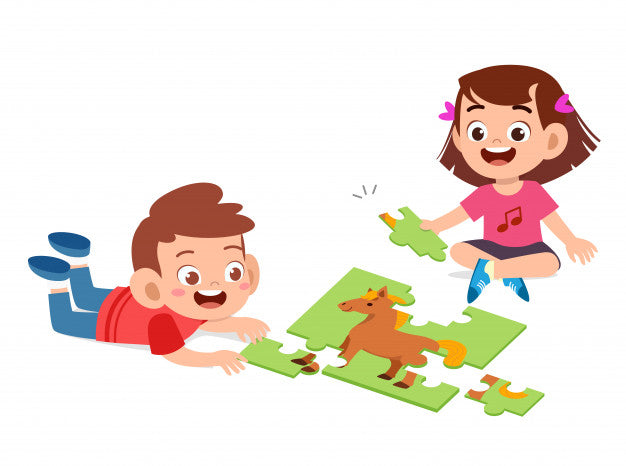
Some children are chat boxes, while others are more silent. But all children can benefit from hearing and learning new words. While trying to solve a puzzle game, children often enjoy learning about the images they are putting together. They often ask their parents or siblings about the subject or object of the puzzle, such as the different kinds of animals and plants they are working with. These questions and increased curiosity enable them to learn new and interesting words while developing speech ability.
Memory 5.
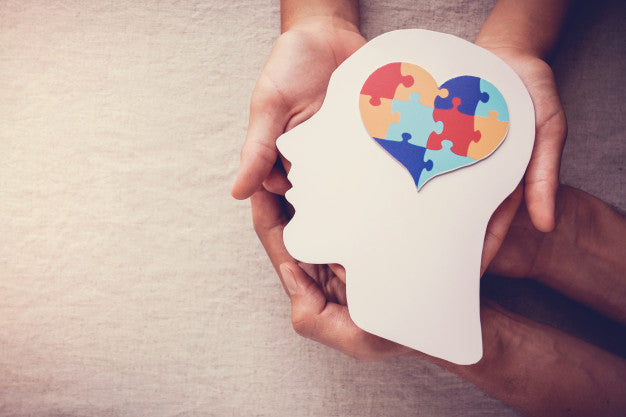
While the riddle helps your child to function, it is amazing to train and enhance memory. The puzzle enhances the brain’s connected speed, making one of the most important organs that we have more effective. Since children often assemble the same puzzle over and over again, they may recall the pieces that go together. This is another way to raise their memory.
Six. Social Skills
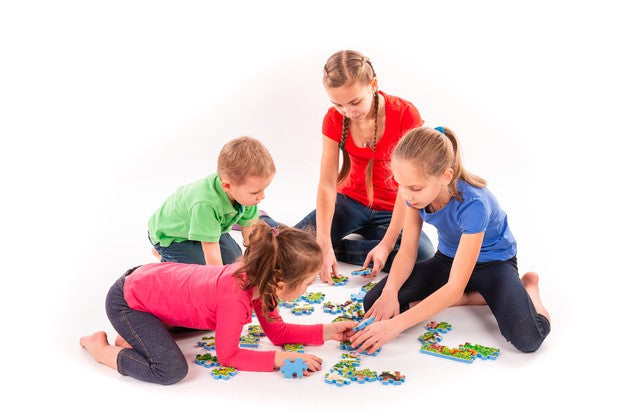
It takes cooperation and communication to analyze a puzzle. When working with a puzzle game, children have an opportunity to practice social skills. From asking for help in finding a piece to settle a minor disagreement, children learn vital lessons as they work together.
 7, Good Engine Skills
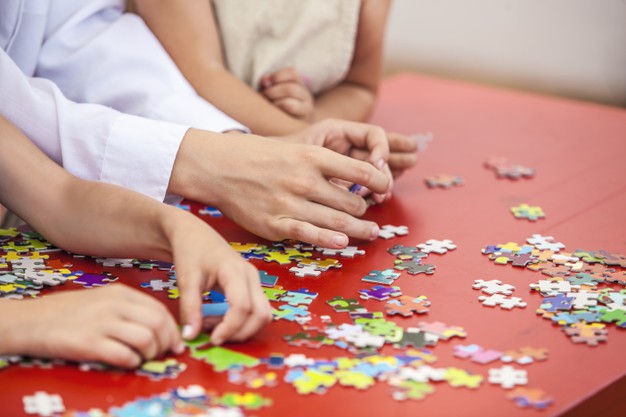
Good motor skills are small movements using fingers, toes and wrists. While playing with the puzzle game, the children must pick up, squeeze, and grab small pieces and then move them around to sort, fit and solve, improve good motor skills.
Bottom Line
The benefits of the puzzle are great, from good motives to language and problem solving skills to enhance self-esteem. This educational toy is important for children to learn perception, physical and emotional, which will support them throughout life as they develop into extraordinary people. Who knows, your child may have just a few more puzzles left to become a brain surgeon. The shop now finds a suitable place for you and your puzzle solver.